

Community Planning in Rural Area
The Importance of Sustainable and Inclusive Rural Planning
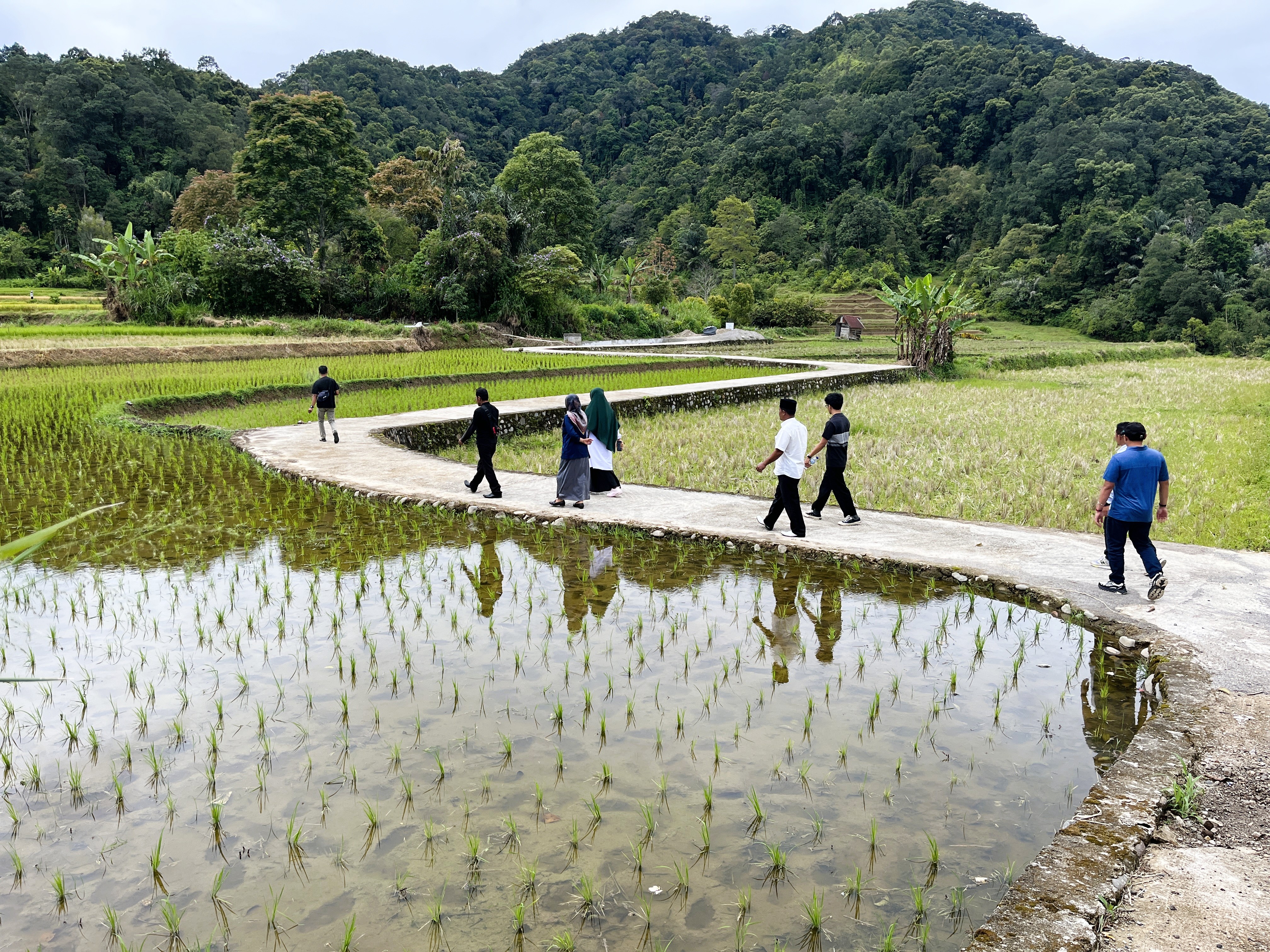
According to Statistics Indonesia (BPS), more than 40% of Indonesia’s population lives in rural areas, yet many communities still face limited access to quality education, healthcare, and decent employment opportunities. At the same time, poorly planned rural development can deepen social and economic disparities between urban and rural regions. Therefore, participatory rural planning is essential to improve community well-being by strengthening basic infrastructure, enhancing public services, and ensuring the sustainable management of natural resources.
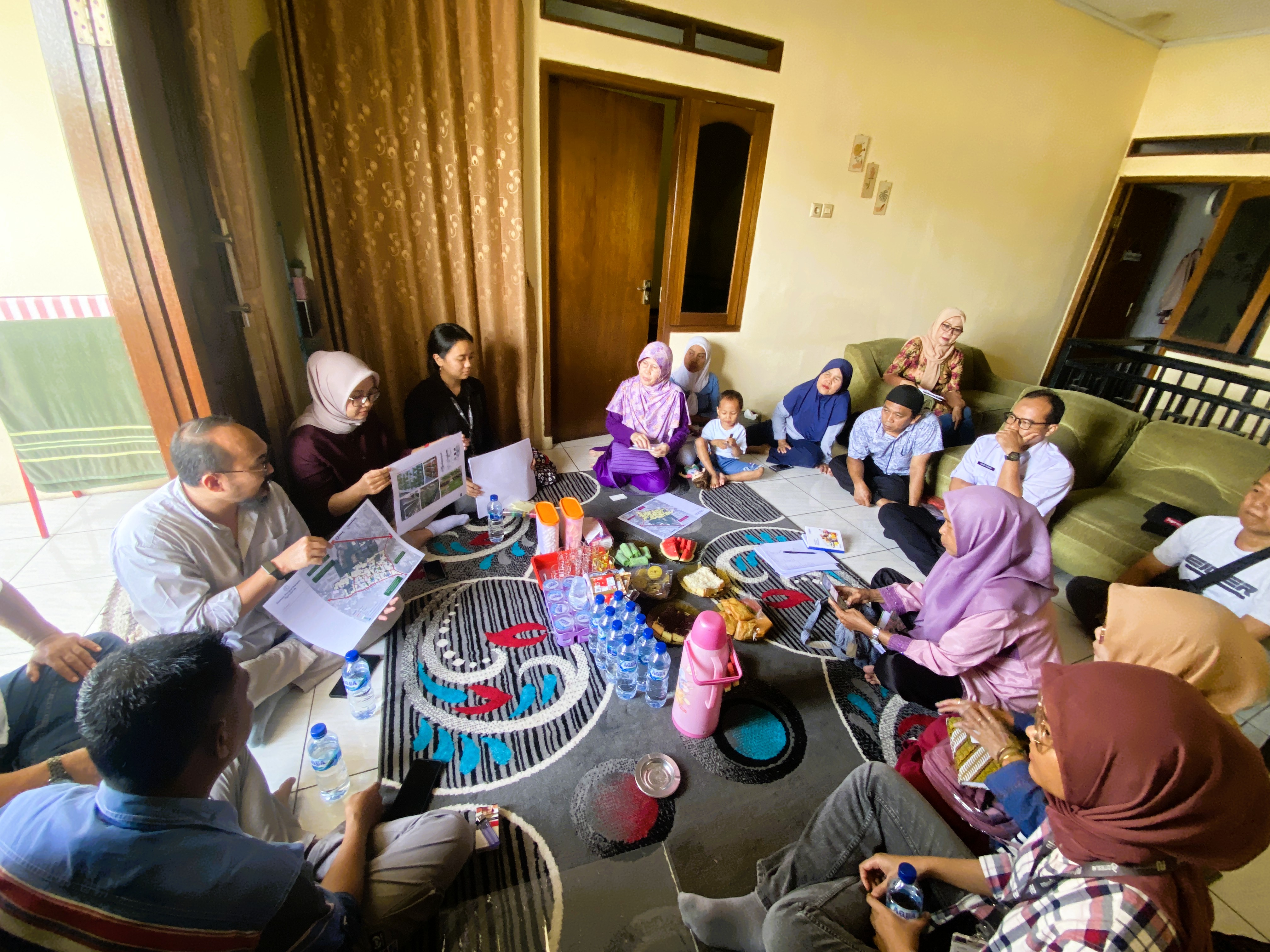
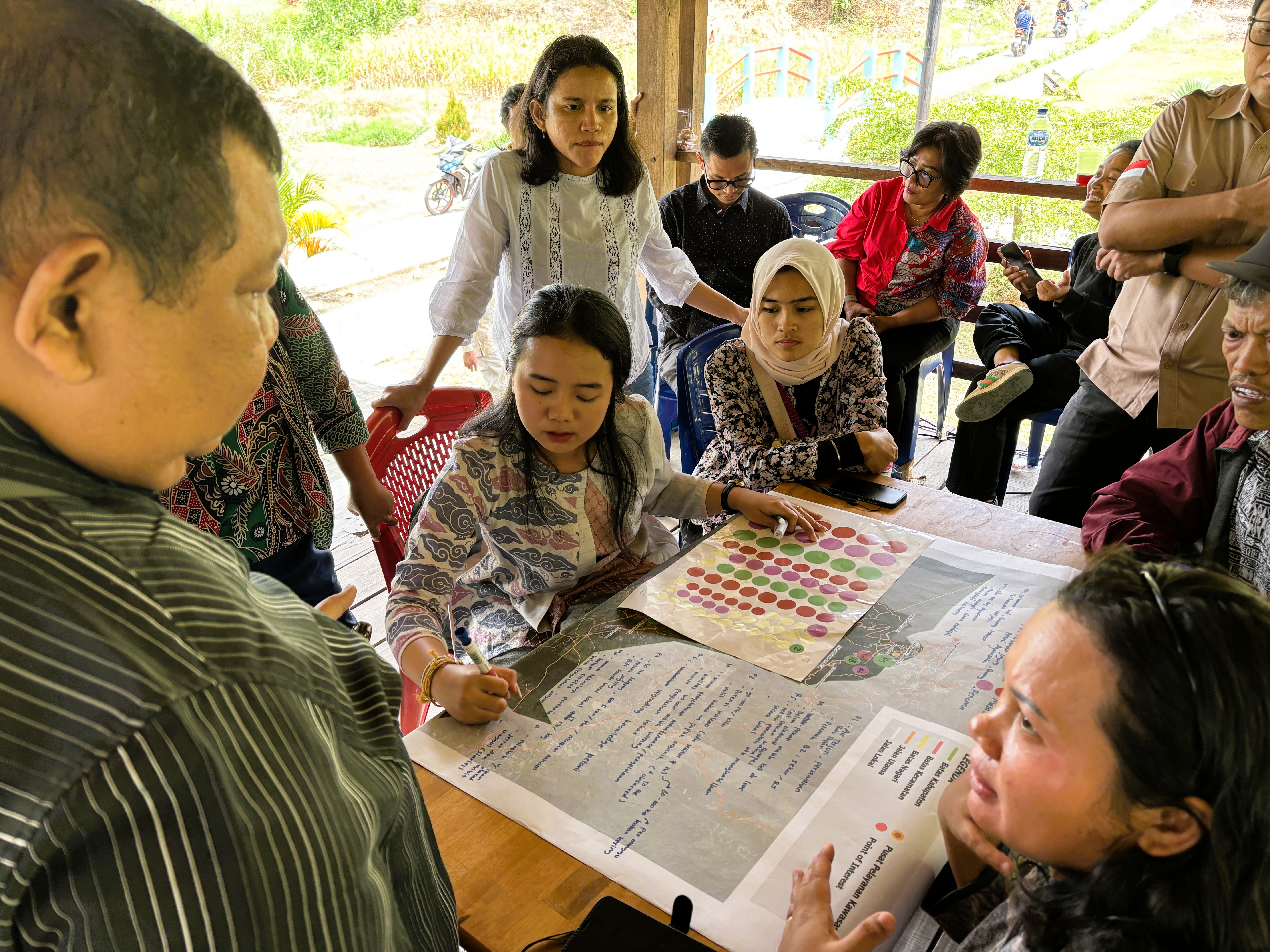
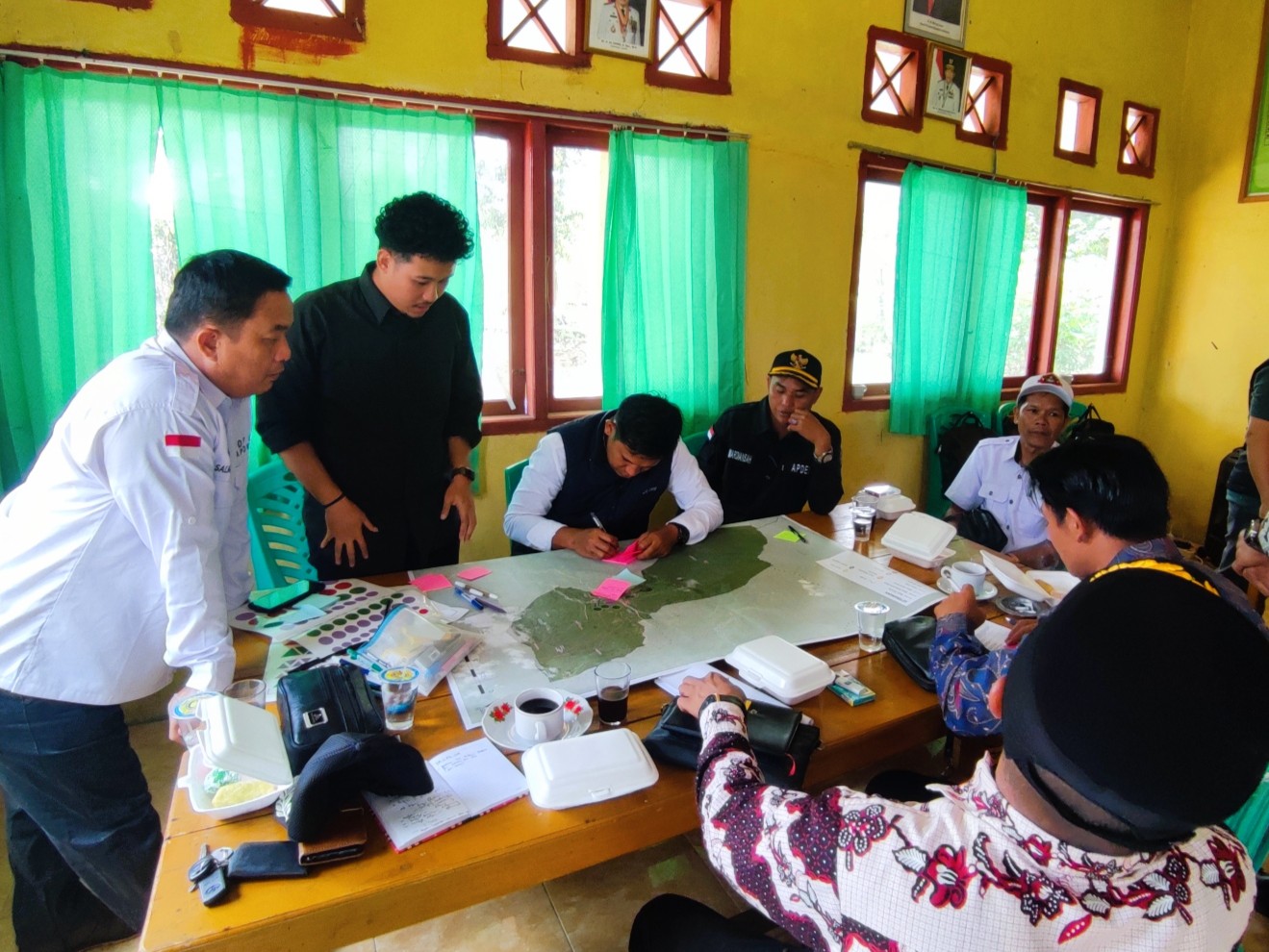
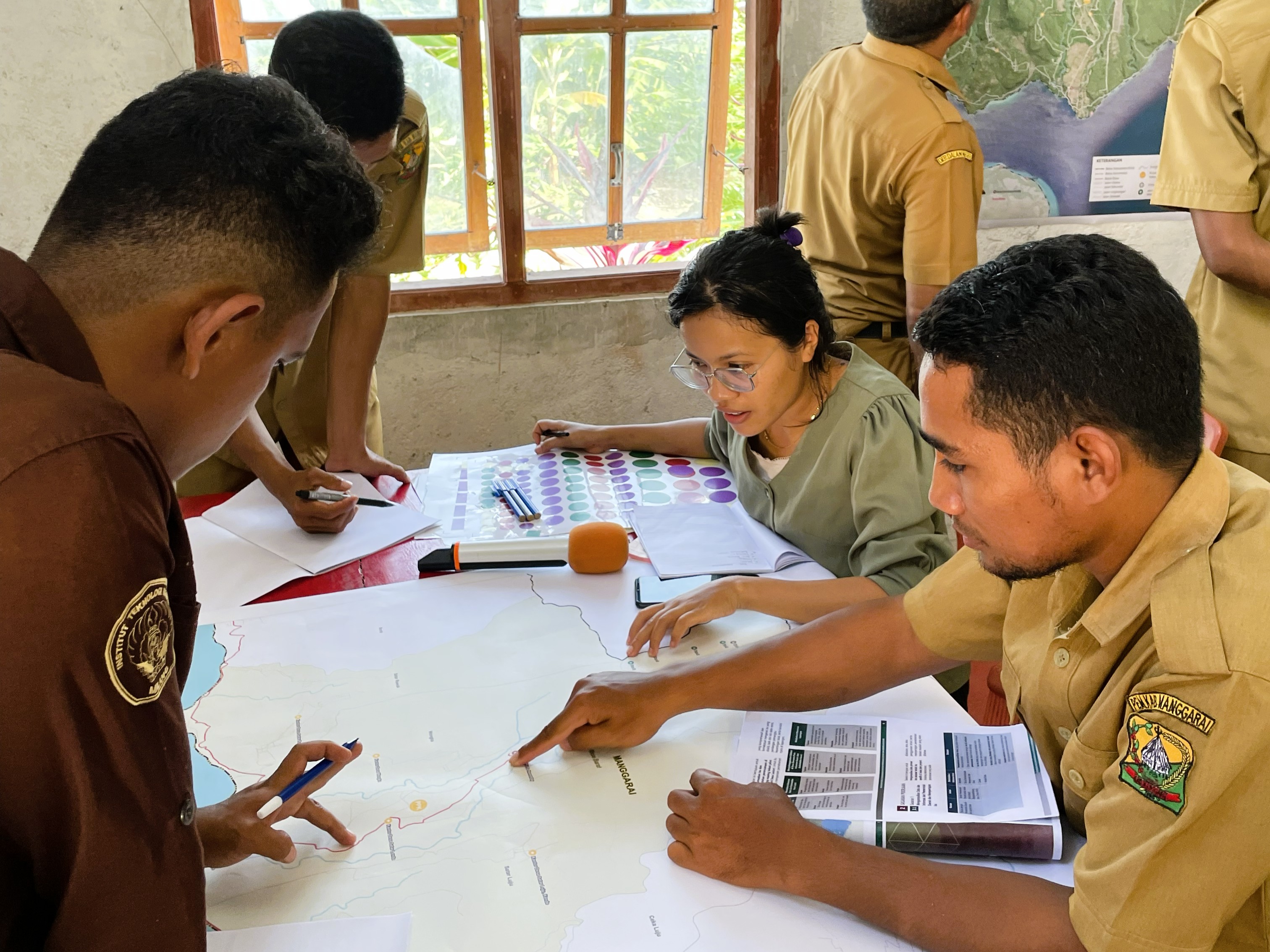
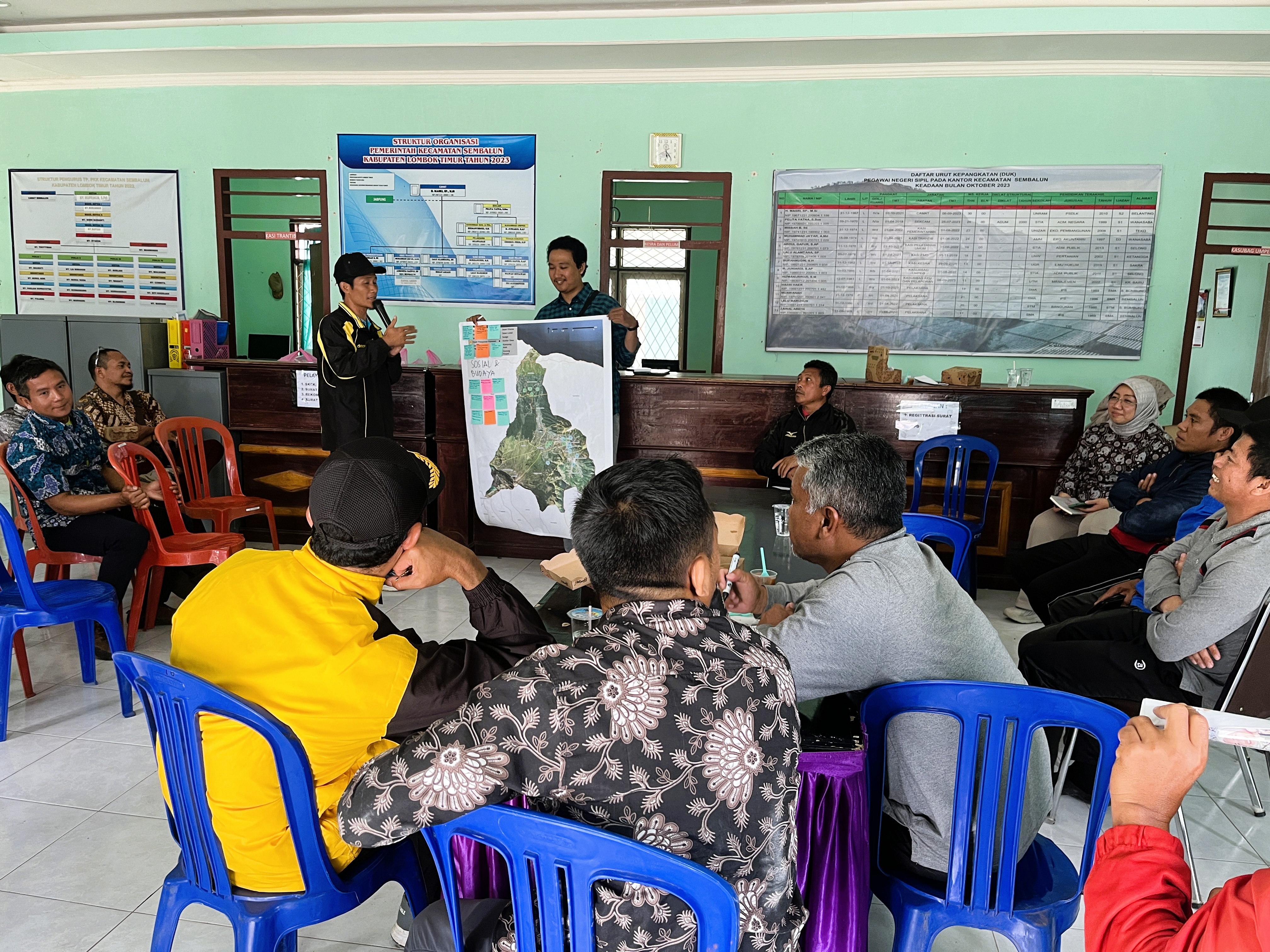
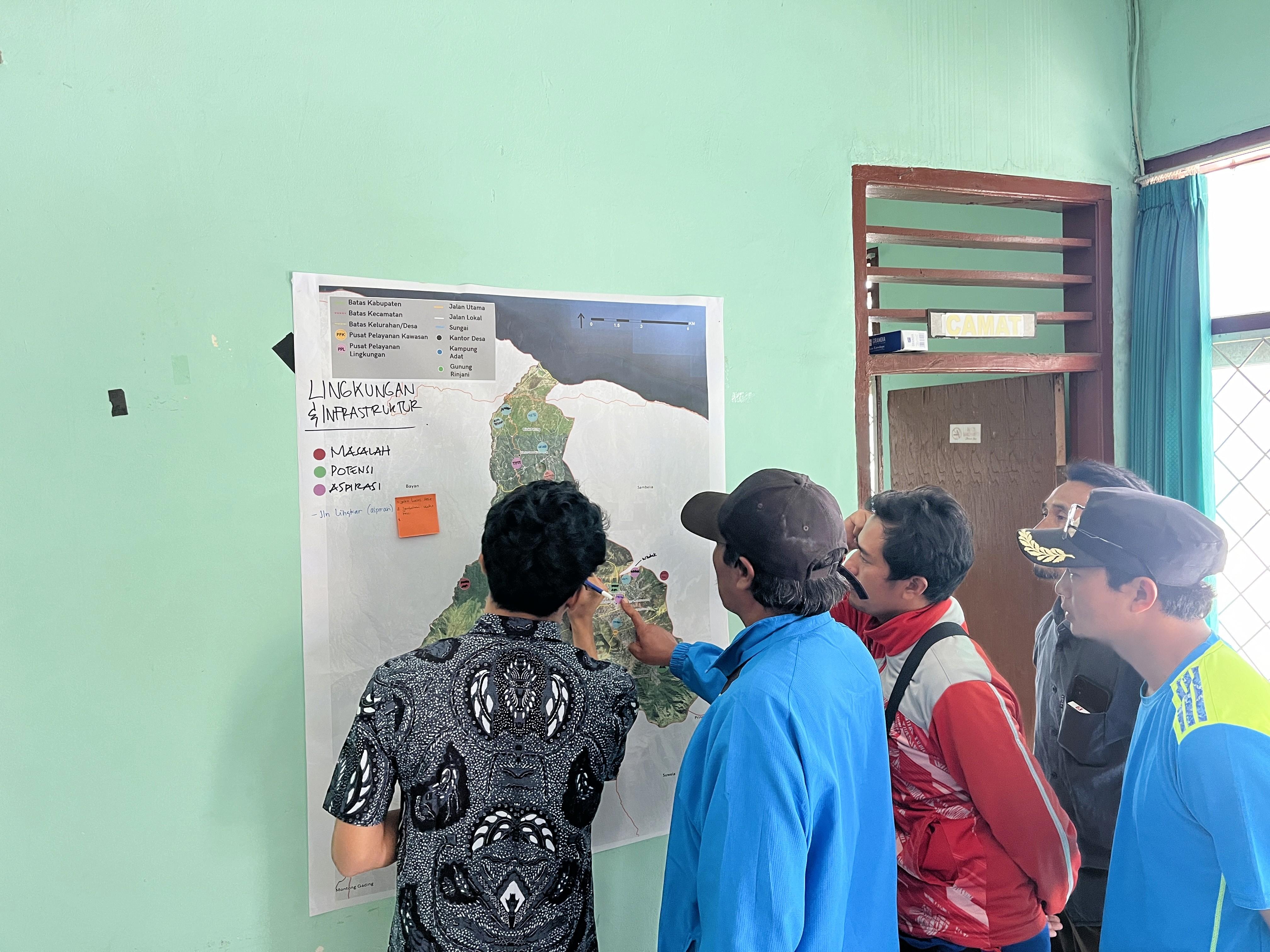
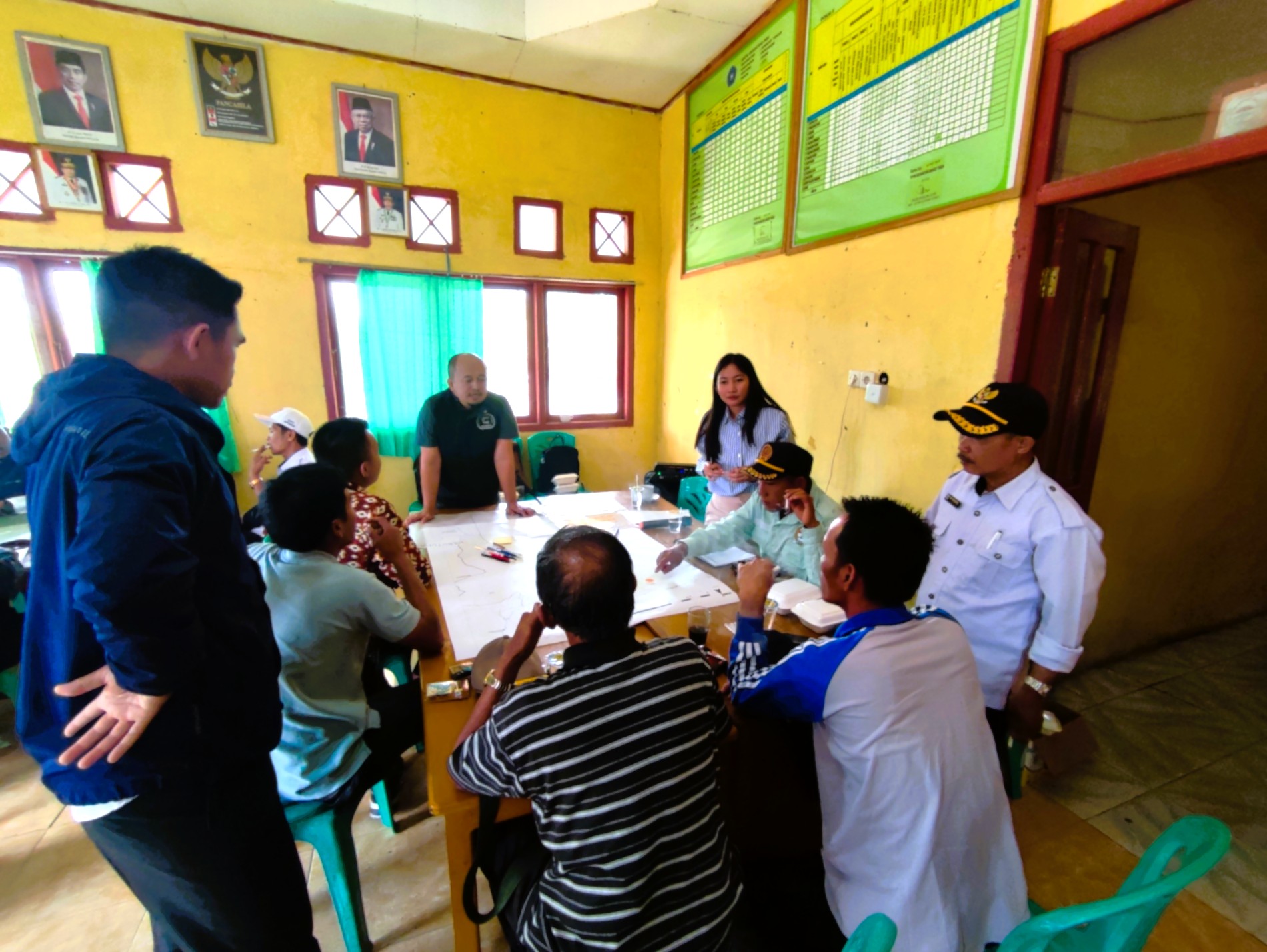
Citieslab has facilitated Planning Charrettes across eight pilot rural areas, including Toba, Banyuwangi, East Lombok, and Manggarai. These collaborative sessions brought together local stakeholders to co-create place-based development visions and priorities. Each pilot focused on identifying community aspirations, mapping environmental and cultural assets, and analyzing key development gaps across environmental, economic, and governance dimensions.
Planning Charrette Process
The Planning Charrette process consists of several key stages:
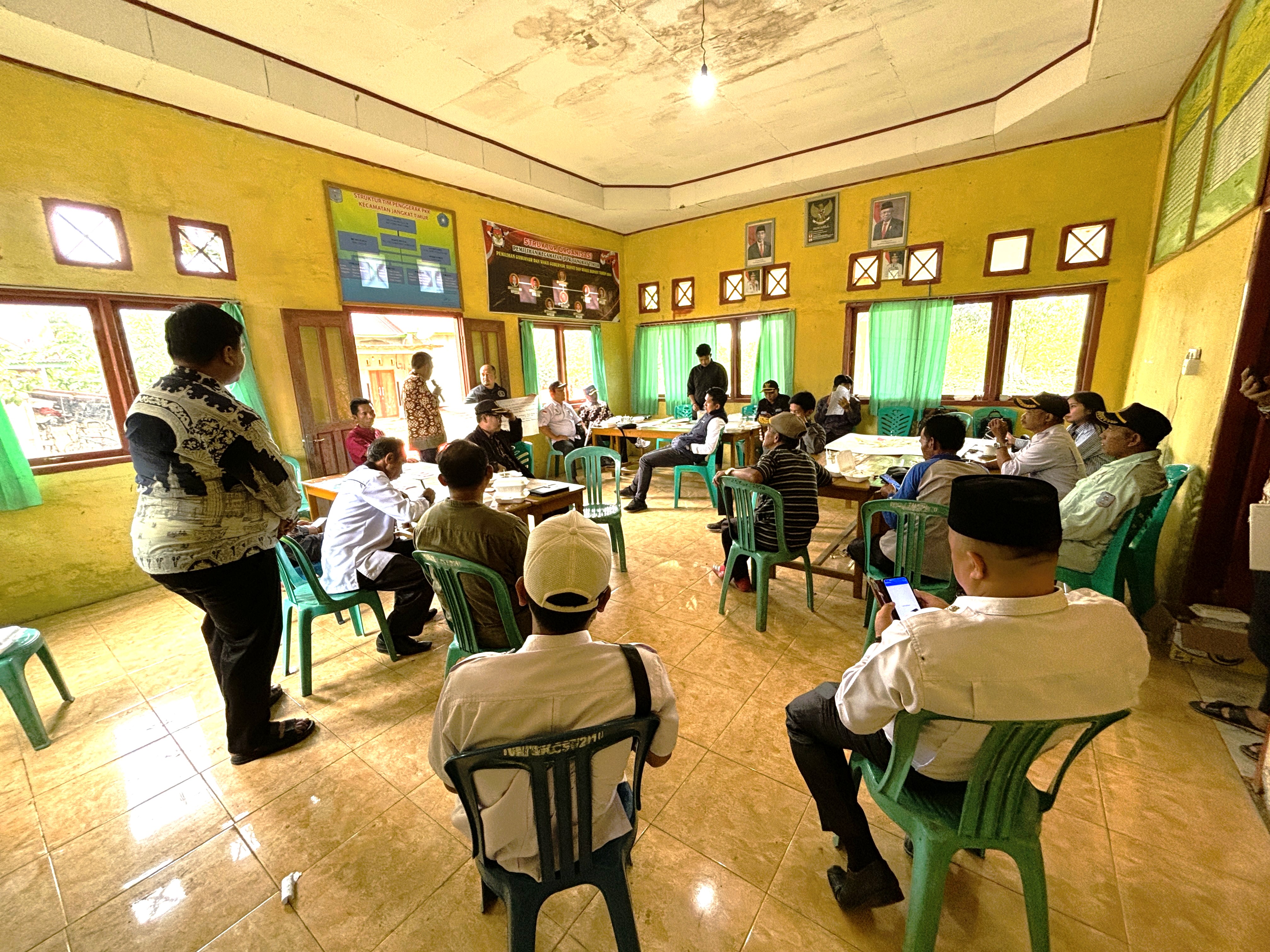
- Involving key stakeholders, including community leaders, local government, and local organizations.
- Dividing participants into smaller discussion groups.
- Conducting brainstorming sessions to explore local challenges and opportunities.
- Presenting and consolidating group discussion results into shared development priorities.
A Collaborative Approach for Rural Development in Indonesia
The Planning Charrette approach offers a practical and adaptable method for rural planning in Indonesia, where each area has unique social, cultural, and environmental characteristics. By prioritizing community participation, this method ensures that development strategies are grounded in local knowledge and needs. It also provides valuable input for policy formulation, not only at the village level but also at district and regional levels, supporting more inclusive, responsive, and sustainable rural development.